
Teaching
Communication design, ethical and sustainable practice, cross-disciplinary collaboration, and the connection between concepts and craftsmanship.
Teaching Philosophy
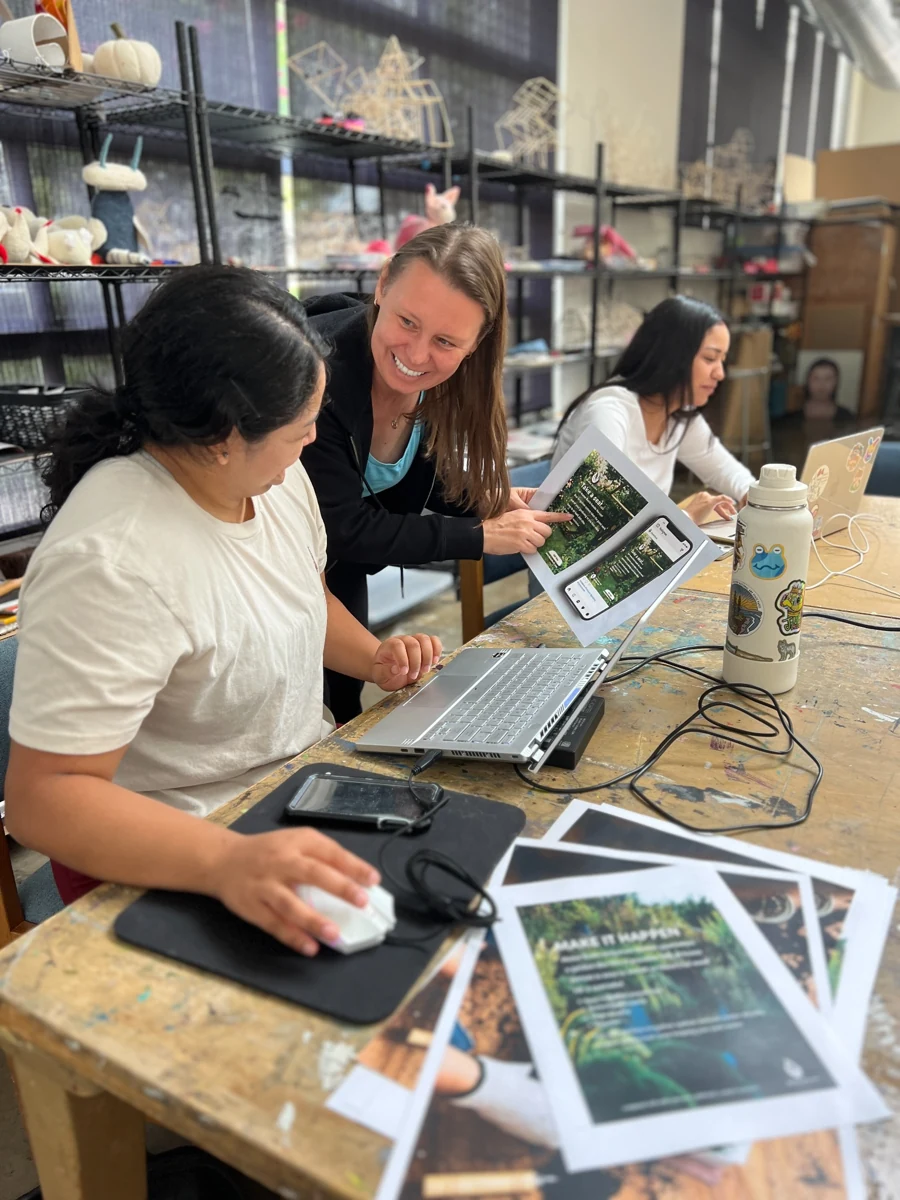
I aim to move beyond teaching technical skills to encourage students to recognize the privilege and responsibility of visual communication. Design decisions affect audiences, communities, and the environment; I ask students to think critically about these consequences while finding their own creative voice.
Strong design starts with research, analysis, sketching, and thoughtful concept development. Technology is an important tool, but it cannot substitute for clear ideas or well-reasoned visual choices. Through studio practice, small-group critiques, and individualized feedback, I encourage experimentation as well as rigorous refinement.
My classes connect design with real clients, community partners, and professionals in other disciplines. These experiences help students practice collaboration, audience research, ethical reasoning, and professional communication while seeing how design can contribute to meaningful change.
Experiential Learning
Long-term partnerships with community organizations and faculty in marketing, engineering, theatre, media, and cultural preservation. The projects below include original student work, research, and documentation of collaborations.
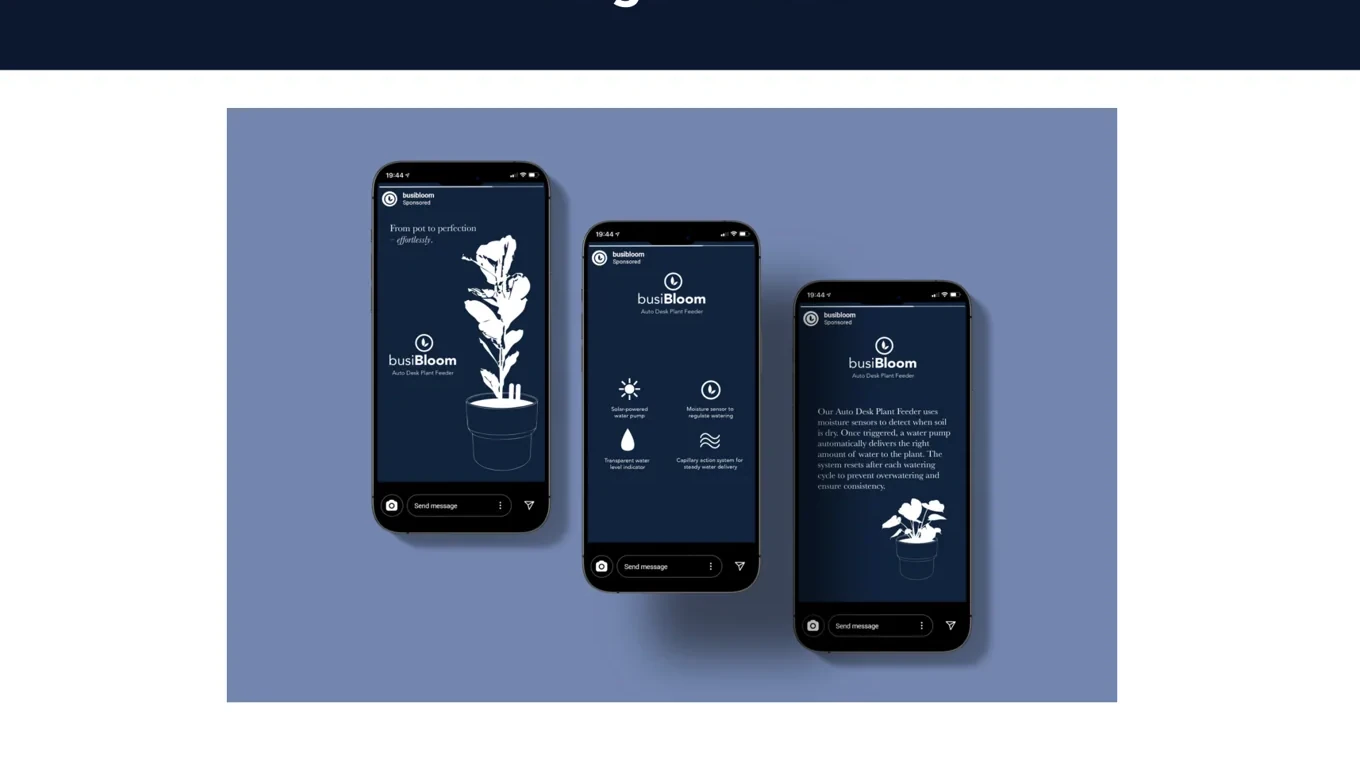 Design × Engineering: Design and InnovationWith Maryam Haidaripour · 2025–2026
 Design × Theatre: SPARCWith Lisa Tromovitch · 2024
 Design × Game DesignWith Joshua Salyers · 2023
 Digital Humanities Summer FellowshipsTiger Strides and Kizuna
 Design × MarketingWith Sasha Joseph-Mathews · 2015–2023
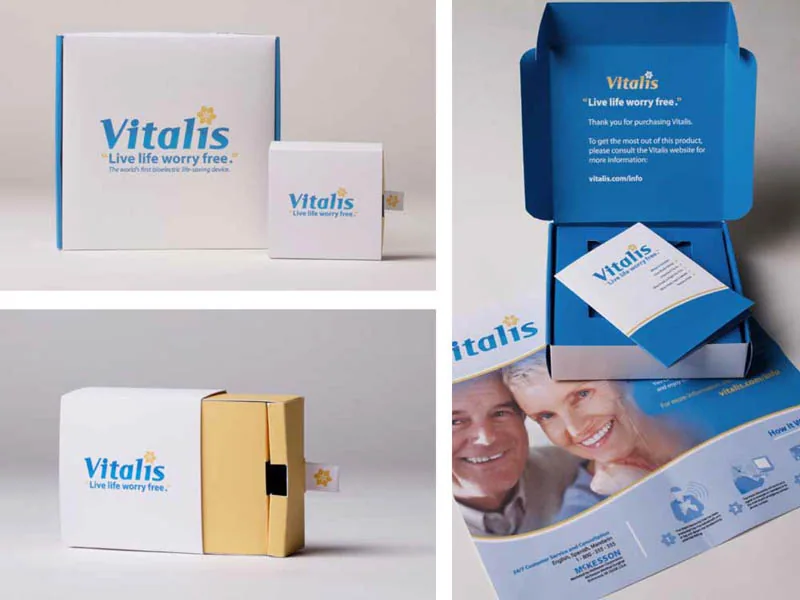 Design × EngineeringWith Cynthia Wagner-Weick · 2012–2014
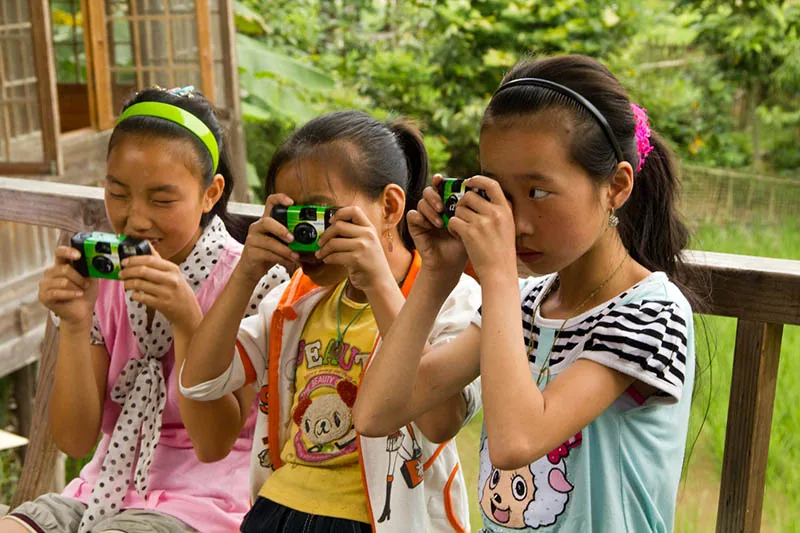 Kam HeritageCommunity-based design and cultural sustainability · 2007–present
 Interactive Tutorial — Pacific LibraryWith Library and Communication faculty · 2009–2010
Courses Taught
An overview of selected courses and teaching approaches.
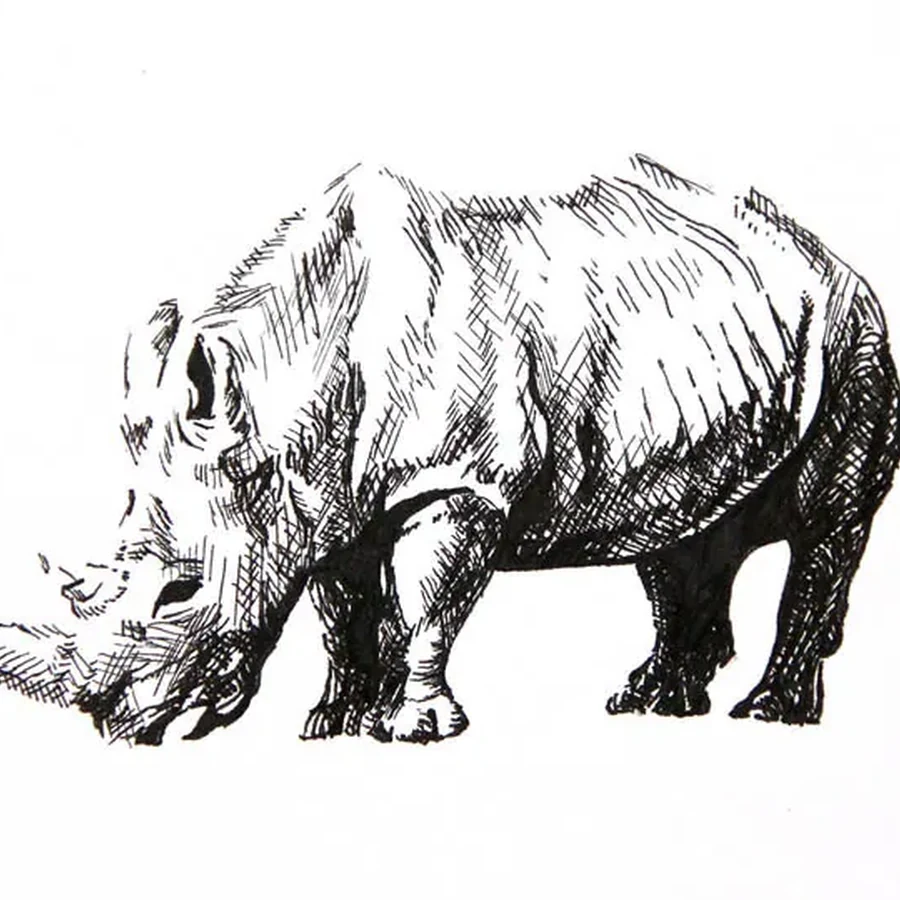 Two-Dimensional Design & ColorExplore course focus
Foundational studio projects explore composition, elements and principles of design, visual thinking, and practical color theory.
 Introduction to Graphic DesignExplore course focus
An introduction to visual communication through research, client briefs, target audiences, grids, image-making, and socially responsible design.
 Graphic Design IIExplore course focus
Develops visual hierarchy, sequencing, composition, typography, and imagery through increasingly complex communication problems.
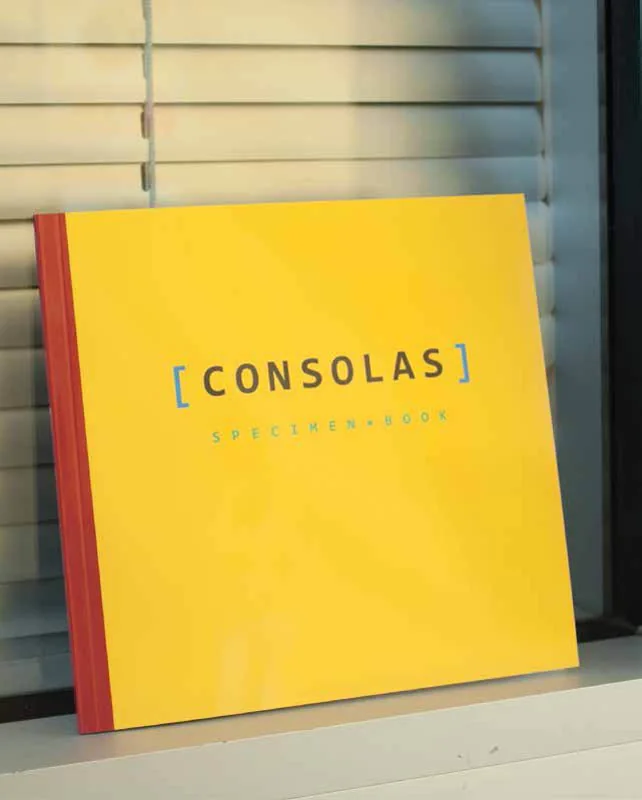 TypographyExplore course focus
Explores letterform anatomy, measurement, classification, typesetting, legibility, and the expressive and communicative possibilities of type.
 Digital Design & Print MediaExplore course focus
Introduces digital file preparation, vector graphics, page layout, scanning, printing, and print-based production workflows.
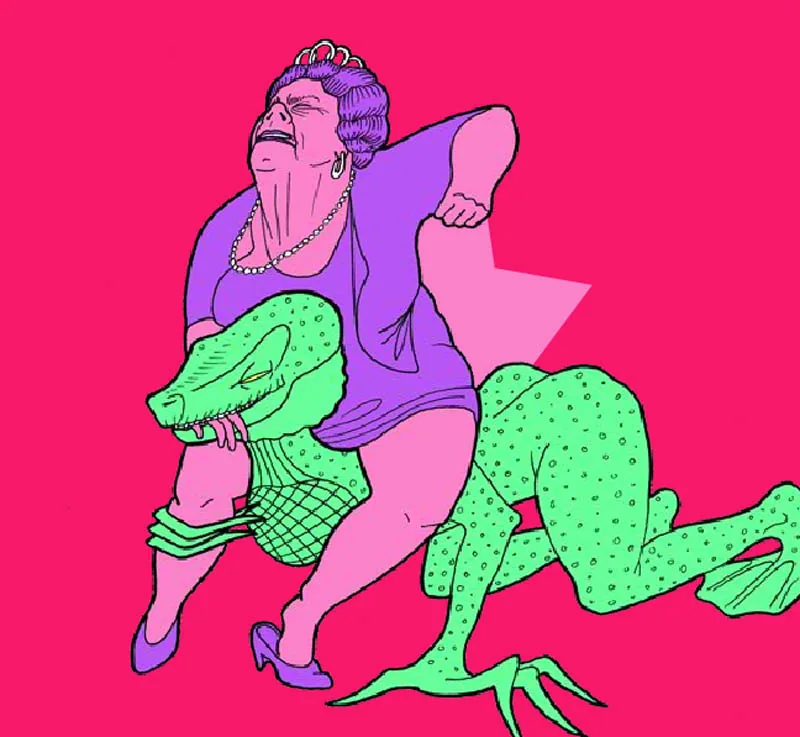 Motion Graphics & Time-Based MediaExplore course focus
Introduces sequential storytelling, animation, timing, typography in motion, editing, and moving-image composition.
 IllustrationExplore course focus
Develops concept-driven editorial, advertising, scientific, and book illustration using a range of materials and techniques.
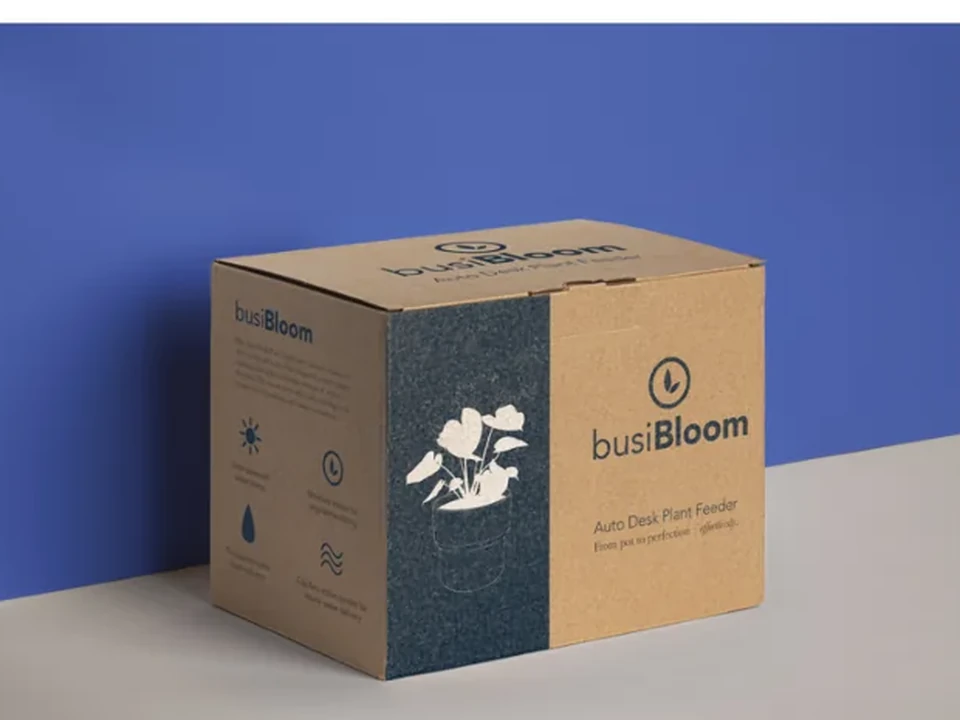 Branding, Advertising & Commercial DesignExplore course focus
Builds visual identities, packaging, campaigns, environmental and promotional design. Recent iterations include collaborations with engineering and game development courses.
 Senior Graphic Design SeminarExplore course focus
Capstone studio work focused on research, independent concept development, portfolio websites, presentation, professional review, and the senior exhibition.
 First-Year SeminarExplore course focus
Introduces professional art and media practices through projects including personal identity, business cards, résumés, and portfolio websites.
Student Work
Selected student work from my teaching archive, organized by studio assignment and area of study. Collaborative projects with community and interdisciplinary partners are featured in Experiential Learning.
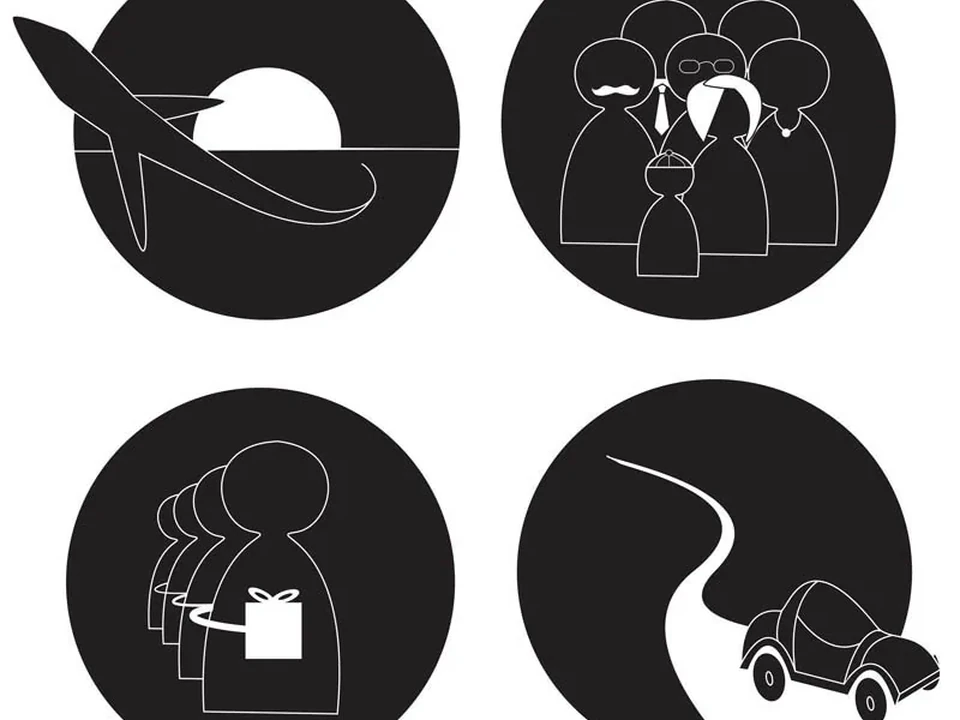 FoundationsTwo-dimensional composition, visual thinking, variation, and symbol development.View selected work →
TypographyType specimen books, identity systems, typographic posters, grids, and expressive lettering.View selected work →
IllustrationBook covers, storybook illustrations, posters, and applied visual storytelling.View selected work →
Motion Graphics & VideoTime-based communication, motion graphics, animation, and sequential storytelling.View selected work →
 Interactive DesignInterfaces, mobile/tablet applications, and information-rich interactive media.View selected work →
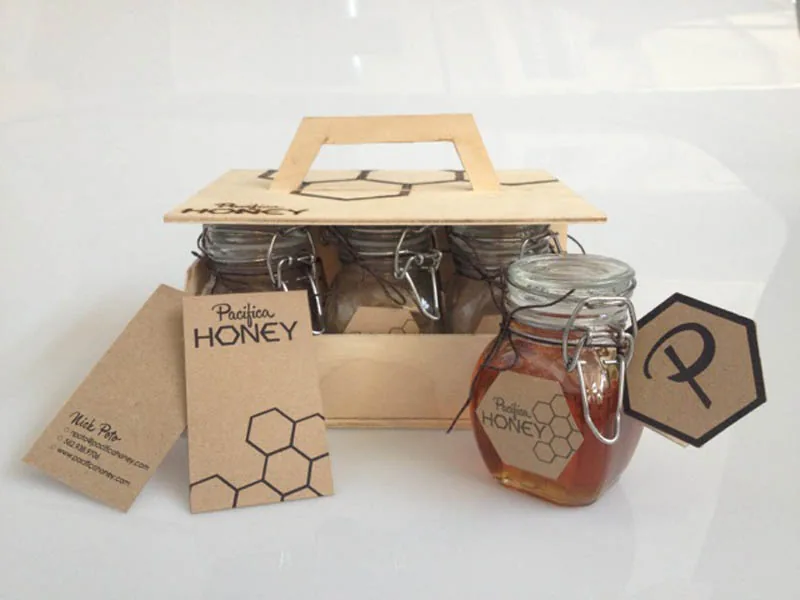 Packaging & Three-Dimensional DesignProduct lines, wine packaging, promotional campaigns, and three-dimensional concepts.View selected work →
Senior Portfolio & ThesisPortfolio books, professional promotional packages, thesis work, and exhibitions.View selected work →